When Is the Best Time to Trek in Nepal? (Month-by-Month Guide)
Choose the season that matches your priorities — this month-by-month guide shows what Nepal’s trails, skies, and temperatures are really like across the year.
Choosing the best time to trek in Nepal is less about picking a perfect month and more about understanding how seasons shape the experience. Weather influences everything on a Himalayan trek — visibility, trail conditions, temperature, flight reliability, crowd levels, and even how your body responds to altitude. Two trekkers on the same route in different seasons can have completely different journeys.
Many first-time trekkers assume there is a single ideal window. In reality, Nepal offers distinct trekking seasons, each with its own advantages. Clear post-monsoon skies deliver breathtaking mountain views. Spring brings warmer temperatures and hillsides alive with rhododendron bloom. Winter offers solitude and crisp air, while the monsoon season transforms landscapes into lush green valleys.
Understanding these seasonal differences helps you match the trek to your priorities. Some travellers value clear panoramas above everything else. Others prefer quieter trails, cooler temperatures, or more flexible travel costs. Timing also affects practical decisions such as layering systems, which you can explore in our upcoming guide to layering for cold mountain mornings, and daily trekking comfort, covered in foot care and blister prevention on long treks.
It is also important to recognise that weather and pacing work together. Trek itineraries are designed to balance altitude gain, recovery, and conditions on the trail. If you are new to Himalayan trekking, reading how acclimatisation days actually work can help you understand why timing and route design are closely connected.
This guide explains Nepal’s trekking seasons in clear, practical terms and provides a month-by-month overview to help you decide what suits you best. Whether you prioritise mountain visibility, quieter trails, or comfortable temperatures, understanding seasonal patterns will help you choose a trek that feels rewarding rather than rushed.
Understanding Nepal’s Trekking Seasons
Nepal’s trekking calendar is shaped by elevation, weather systems, and regional geography rather than simple temperature changes. Because trekking routes rise quickly from subtropical valleys to high alpine terrain, seasonal conditions can vary dramatically within the same journey. Understanding these seasonal patterns helps trekkers anticipate trail conditions, visibility, and overall comfort before they arrive.
Nepal’s trekking year is typically divided into four distinct seasons: autumn, spring, winter, and monsoon. Each period offers a different balance of weather stability, mountain visibility, trail traffic, and temperature.
Autumn (late September through November) is widely regarded as the most stable trekking period. After the summer monsoon clears dust and pollution from the atmosphere, skies are often exceptionally clear, offering the sharp mountain views many travellers hope to experience. Temperatures are moderate, and trail conditions are generally dry. Because of these ideal conditions, this is also the busiest trekking season.
Spring (March through May) is the second major trekking season. Temperatures begin to warm, forests come alive with rhododendron blooms, and days grow longer. While visibility is usually very good, warmer air can occasionally create slight haze in lower elevations. Spring offers a vibrant landscape and comfortable trekking conditions, making it a popular alternative to autumn.
Winter (December through February) brings colder temperatures and quieter trails. Skies are often clear, and mountain views can be excellent, but high passes may accumulate snow, and nighttime temperatures drop significantly at altitude. Trekkers prepared for cold conditions can experience a more peaceful atmosphere and greater availability in lodges.
Monsoon season (June through early September) introduces rain, cloud cover, and humid conditions, particularly in lower elevations. Trails can become muddy, leeches are common in forested areas, and flights to mountain airstrips may be delayed. However, landscapes turn lush and green, and some regions in Nepal’s rain shadow remain viable during this period — a topic explored further in can you trek during monsoon season.
It is important to remember that seasonal timing affects more than scenery. Weather influences what you pack, how you layer, and how your body manages temperature changes throughout the day. If you’re preparing for colder conditions, our guide to sleeping warm at high altitude will help you understand how to stay comfortable overnight.
Each season offers a valid trekking experience. Rather than asking which season is “good” or “bad,” it is more useful to consider which conditions best match your comfort level, expectations, and travel priorities.
Autumn (September–November): Clear Skies & Peak Season
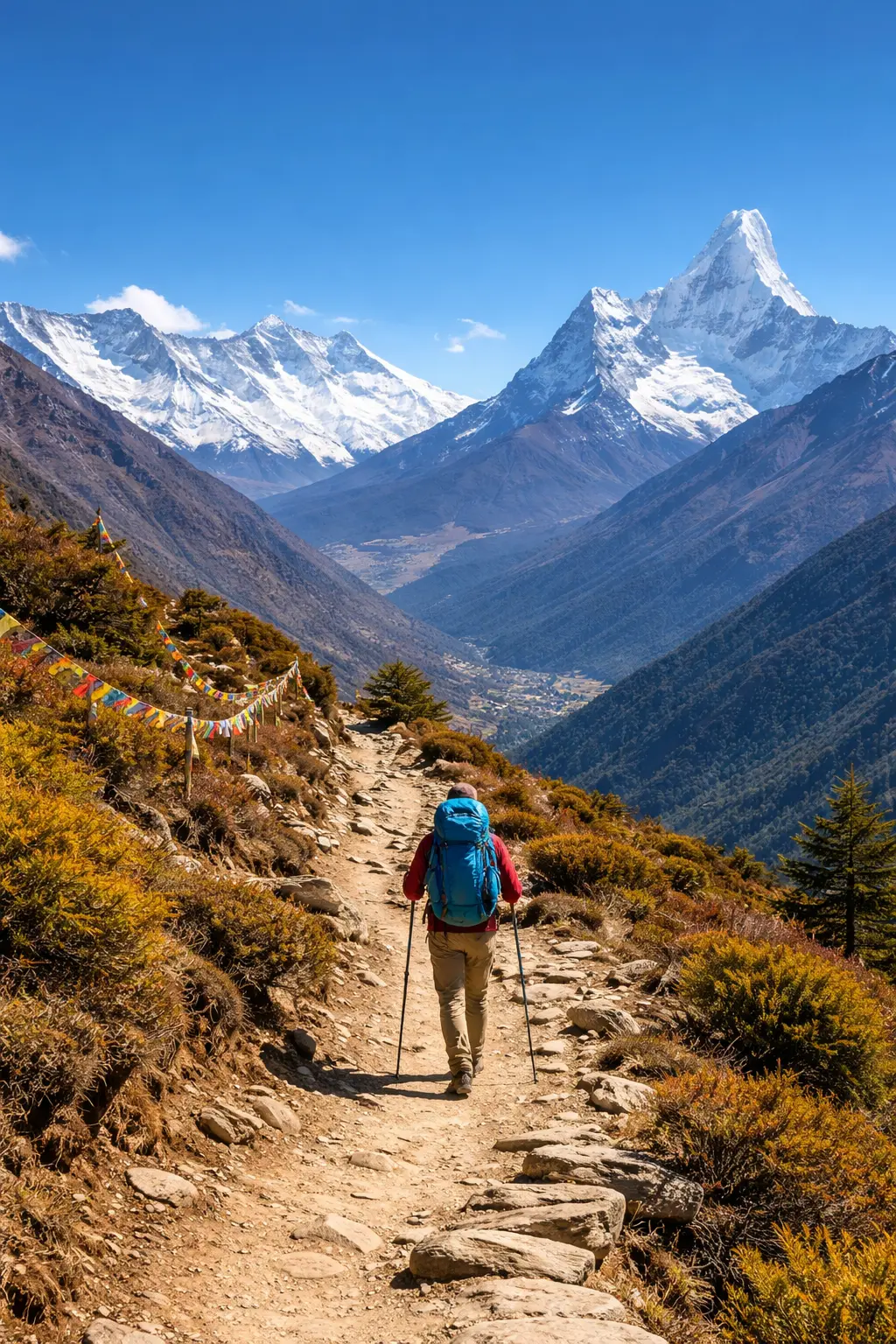
For many trekkers, autumn represents the most reliable window for mountain travel and is often considered the best time to trek in Nepal. Following the summer monsoon, rainfall clears dust and haze from the atmosphere, revealing exceptionally sharp mountain views. On clear mornings, peaks appear close enough to touch, and visibility often remains stable throughout the day.
Temperatures during autumn are moderate and comfortable for walking. Lower elevations remain warm during the day, while higher elevations bring cool mornings and evenings that feel refreshing rather than harsh. This balance allows trekkers to move steadily without the heat stress of warmer months or the deep cold of winter nights.
Trail conditions are typically dry and stable. River crossings are manageable, paths are firm underfoot, and landslide risk is reduced compared to the monsoon season. These conditions make autumn especially appealing for first-time trekkers who want predictable terrain and fewer environmental challenges.
Because of its reliability, autumn is also the busiest trekking season. Popular routes such as Everest Base Camp and Annapurna Base Camp see increased traffic, and tea houses can fill quickly during peak weeks in October. This busier atmosphere creates a lively trail culture and social energy, but those seeking solitude may prefer shoulder periods or alternative routes.
October is often regarded as the peak visibility month, while November offers similarly clear skies with cooler temperatures and slightly thinner crowds. If you’re deciding between these two months, our upcoming guide to trekking Nepal in October vs November explores the differences in detail.
Photographers often favour autumn for its crisp light and distant clarity, especially during early morning hours when visibility is at its best. The stability of weather patterns also reduces the likelihood of flight disruptions into mountain airstrips, improving overall travel reliability.
Despite its popularity, autumn does not guarantee uninterrupted blue skies. Weather in the Himalaya is dynamic, and occasional cloud cover is normal. However, compared with other seasons, autumn offers the most consistent combination of visibility, comfort, and trail conditions.
For trekkers seeking classic Himalayan panoramas and dependable weather, autumn remains the benchmark against which other seasons are measured.
Spring (March–May): Warm Days, Blooming Forests & Vibrant Trails
Spring is the second major trekking season and, for many travellers, rivals autumn as the best time to trek in Nepal. As winter recedes, temperatures begin to rise, snow retreats from mid-elevations, and hillsides come alive with blooming rhododendrons and alpine flowers. The landscape shifts from muted winter tones to vibrant reds, pinks, and fresh greens, adding a different visual richness to the trekking experience.
Daytime temperatures are warmer than in autumn, especially at lower elevations, making early mornings more comfortable and reducing the chill that can accompany pre-dawn starts. Higher elevations remain cool, but the warmer daytime conditions can make long walking days feel less physically demanding. For trekkers who prefer a slightly softer climate, spring often feels more forgiving.
Mountain visibility in spring is generally very good, particularly in the mornings. As temperatures rise during the day, atmospheric haze can develop at lower elevations, softening distant views. This does not obscure the experience but can slightly reduce the sharp clarity seen during peak autumn conditions. Early starts often reward trekkers with the clearest panoramas before warmth builds in the valleys.
Spring trails carry a lively but slightly less crowded atmosphere compared with peak October weeks. Tea houses are active, trekkers from around the world gather along major routes, and villages feel energized as the trekking season resumes after winter. For many, this balance creates a social yet relaxed environment.
This season is especially appealing to nature lovers. Rhododendron forests burst into colour along routes in the Annapurna region, while terraced farmland returns to cultivation in lower valleys. The contrast between blooming forests and snow-covered peaks creates a striking visual transition throughout the trek.
As temperatures rise, proper layering becomes essential. Removing layers during warm afternoons and adding insulation quickly when temperatures drop remains part of daily comfort. If you’re unsure how to manage these temperature swings, our guide to layering for cold mountain mornings explains how to stay comfortable throughout the day.
While spring weather is generally stable, occasional afternoon cloud build-up is normal. Weather systems remain dynamic in the Himalaya, but overall conditions support consistent trekking.
For travellers who value colour, warmth, and a vibrant landscape alongside strong mountain views, spring offers a compelling alternative to autumn — and for some, it becomes their preferred trekking season.
Winter (December–February): Quiet Trails & Crisp Mountain Air
Winter trekking in Nepal offers a very different experience from the peak autumn and spring seasons. Trails grow quieter, air becomes exceptionally clear, and the mountains take on a stark, dramatic beauty. For trekkers prepared for cold conditions, winter can provide a peaceful and deeply rewarding journey.
Skies are often remarkably clear during winter months, especially in the mornings. Cold, dry air reduces atmospheric haze, allowing for sharp mountain views similar to those seen in autumn. Snow dusts higher elevations and ridgelines, adding contrast and visual drama without necessarily obstructing the main trekking routes.
The primary consideration in winter is temperature. Nights at higher elevations can drop well below freezing, and mornings often begin with frost on the ground and frozen water sources. Daytime trekking temperatures remain comfortable when walking, but early starts require warm layers and proper insulation.
Snow conditions vary by elevation and route. Popular routes such as Everest Base Camp and Annapurna Base Camp typically remain accessible, although higher passes on more technical treks may become snowbound. Guides monitor conditions carefully and adjust pacing or routes when necessary.
One of winter’s greatest advantages is solitude. Tea houses remain open along major trekking routes, but visitor numbers decrease significantly. This creates a quieter trail atmosphere and a more relaxed lodge environment in the evenings. Trekkers seeking reflection, space, and fewer crowds often find winter especially appealing.
Cold management becomes central to comfort and recovery. Staying warm after arrival, drying damp clothing, and sleeping in adequate insulation are essential to maintaining energy and sleep quality. If you are preparing for colder trekking conditions, our guide to sleeping warm at high altitude explains how proper insulation and layering support recovery overnight.
Flight reliability can improve during winter due to stable weather patterns, although occasional fog in Kathmandu can still affect schedules. Trail conditions are generally firm and dry, with less mud compared to warmer seasons.
Winter trekking does require preparation and realistic expectations, but it rewards trekkers with quiet landscapes, crystalline air, and a sense of stillness that is difficult to experience during busier months. For those comfortable with cold conditions, winter offers a calm and spacious version of the Himalayan trekking experience.
Monsoon Season (June–August): Lush Landscapes & Travel Challenges
Monsoon season transforms Nepal’s landscapes in dramatic ways. From June through early September, warm, moisture-laden air moves north from the Indian Ocean, bringing frequent rainfall to much of the country. Hillsides turn intensely green, rivers swell, and terraced fields fill with new growth. While this period is not considered the best time to trek in Nepal for most travellers, it offers a very different mountain environment that some experienced trekkers appreciate.
Rainfall is typically heaviest in the afternoons and evenings, although weather patterns can vary. Seasonal rainfall patterns are influenced by regional climate systems monitored by Nepal’s Department of Hydrology and Meteorology, which tracks monsoon activity across the country. Mornings may begin clear before clouds build through the day. Persistent cloud cover often obscures mountain views, especially at mid-elevations, and photography opportunities can be limited compared with autumn and spring.
Trail conditions change significantly during monsoon months. Paths may become muddy and slippery, particularly through forested sections and lower elevations. Leeches are common in humid regions, and extra care is required on stone staircases and steep descents. Waterproof footwear, gaiters, and trekking poles become especially helpful for maintaining stability.
Flight schedules to mountain airstrips can be affected by weather, and travel delays are more common. Flexibility in scheduling is essential during this season, particularly for treks requiring domestic flights.
Despite these challenges, monsoon trekking is not universally impractical. Certain regions of Nepal lie in the Himalayan rain shadow and receive far less precipitation. Areas such as Upper Mustang and parts of Dolpo remain relatively dry and accessible, offering stark desert landscapes and a different cultural environment. These regions are explored further in can you trek during monsoon season.
The monsoon period also brings quieter trails and reduced visitor numbers. Lodges operate at a slower pace, and trekkers seeking solitude may find the experience appealing if they are comfortable with wet conditions and reduced visibility.
Humidity and damp clothing can affect comfort and recovery, making quick-drying layers and moisture management important. If you plan to trek during wetter conditions, understanding how to manage layering systems and protect gear becomes essential for maintaining comfort.
For most first-time trekkers, monsoon season presents additional challenges that outweigh its advantages. However, for those seeking lush landscapes, quieter trails, or travel outside peak periods, it can offer a unique perspective on Nepal’s mountain regions.
Month-by-Month Trekking Overview
While Nepal’s trekking seasons follow predictable patterns, conditions shift gradually from month to month. Understanding these transitions helps travellers fine-tune their plans and choose timing that aligns with their priorities. Rather than relying on a single “perfect” window, the best time to trek in Nepal often depends on what you value most — visibility, quieter trails, warmer temperatures, or travel flexibility.
January
Cold mornings and freezing nights at altitude. Clear skies and excellent visibility are common. Trails are quiet, and conditions suit trekkers prepared for winter temperatures.
February
Still cold but slightly milder than January. Snow may linger at higher elevations, while lower routes remain accessible. Visibility is typically very good.
March
Spring begins to arrive. Temperatures rise gradually, and early rhododendron blooms appear. A popular start to the spring trekking season.
April
Warm days, blooming forests, and strong mountain views. One of the most balanced months for trekking, combining comfortable temperatures with vibrant landscapes.
May
Warmer conditions continue, especially at lower elevations. Afternoon haze becomes more common, but mornings often provide clear views. Trails remain active before monsoon approaches.
June
Monsoon conditions begin. Increasing rain, cloud cover, and humidity affect trail conditions and visibility. Travel flexibility becomes important.
July
Peak monsoon. Heavy rainfall, muddy trails, and limited mountain views are common. Rain-shadow regions remain viable alternatives.
August
Continued monsoon conditions with lush green landscapes. Late August may bring brief clearing periods, but weather remains unpredictable.
September
Monsoon begins to retreat. Early September may still see rain, but conditions improve steadily. Trails become drier and visibility begins to return.
October
Widely considered the prime trekking month. Clear skies, stable weather, and exceptional visibility attract trekkers from around the world.
November
Cooler temperatures and continued clear conditions. Slightly thinner crowds make this an excellent time for comfortable trekking.
December
Cold air arrives, especially at altitude. Trails quieten, skies remain clear, and winter trekking conditions begin.
Understanding these monthly transitions allows you to align your trek with specific preferences. Some travellers prioritise crystal-clear views, while others seek quieter trails or milder daytime temperatures. Recognising how conditions evolve through the year makes choosing your travel window far easier.
How to Choose the Right Season for You
There is no single answer to the question of the best time to trek in Nepal because the ideal season depends on what you want most from the experience. Weather patterns shape visibility, temperature, trail traffic, and overall comfort, but personal priorities determine which conditions feel most rewarding.
If mountain views are your top priority, autumn and late spring offer the most reliable visibility. Post-monsoon air clarity in October and November produces exceptionally sharp panoramas, while spring mornings often deliver beautiful views before warmth builds through the day.
If you prefer comfortable walking temperatures, spring can feel more forgiving than autumn, particularly in lower elevations. Warmer mornings and milder afternoons reduce cold stress, although layering remains essential as temperatures shift with altitude.
Trekkers seeking quieter trails and a more reflective atmosphere may find winter especially appealing. Fewer visitors create a calmer lodge environment and more solitude on the trail. Seasonal timing also influences daily rhythm and trail atmosphere, as described in What Trekking in Nepal Is Really Like, from busy tea houses in October to the quiet stillness of winter routes. However, this comes with colder nights and the need for proper insulation and cold-weather preparation.
Those with flexible schedules or interest in unique landscapes may consider shoulder periods such as early September or late November. These windows can offer improving weather, thinner crowds, and a more relaxed trekking pace while still providing strong mountain views.
If your goal is to experience vibrant landscapes and blooming forests, spring provides a distinctly different atmosphere from autumn’s crisp clarity. Meanwhile, trekkers who prioritise travel costs or off-peak travel may explore quieter months while preparing for more variable conditions.
It is also important to consider how timing interacts with route design and pacing. Seasonal conditions influence trail safety, daily comfort, and recovery. Seasonal timing can also influence how your body adapts to elevation, a process explained in Altitude Sickness Explained Simply for First-Time Trekkers. Understanding how trekking rhythm works in practice — explored in What Trekking in Nepal Is Really Like — can help you visualise how seasonal differences shape each day on the trail.
Practical considerations matter as well. If you are sensitive to cold, winter may feel challenging. If you dislike crowds, peak October routes may feel busy. If you require highly reliable flight schedules, monsoon season may introduce unwanted flexibility.
Ultimately, choosing when to trek is about aligning conditions with expectations. When your priorities match seasonal realities, the experience feels smoother, more comfortable, and far more rewarding.
When Visibility Matters Most
Mountain visibility is one of the defining factors in how trekkers experience the Himalaya. Towering peaks often rise far beyond nearby ridgelines, and clear air allows the landscape to reveal its full scale. If panoramic views are high on your priority list, understanding seasonal visibility patterns can help you identify the best time to trek in Nepal for your expectations.
Post-monsoon autumn months offer the clearest atmospheric conditions. Rainfall during the summer season washes dust and pollutants from the air, leaving skies crisp and sharply defined. Early mornings often provide uninterrupted views, with snow peaks illuminated by clear light from sunrise onward. This clarity is a major reason October and November attract trekkers and photographers from around the world.
Spring also delivers excellent visibility, particularly during the morning hours. As temperatures rise through the day, warmer air can create mild haze in lower elevations. While this rarely obscures the mountains entirely, it may soften distant detail compared with autumn conditions. Early starts often reward trekkers with the clearest views before warmth builds in the valleys.
Winter can produce exceptionally clear skies due to cold, dry air. Visibility can rival autumn on calm mornings, and snow-dusted ridgelines add visual contrast. However, colder temperatures and potential snow at higher elevations require preparation and may limit access to certain routes.
During the monsoon season, cloud cover and atmospheric moisture frequently obscure mountain views. While mornings occasionally offer brief openings, sustained visibility is less predictable. Trekkers choosing this period often prioritise solitude and lush landscapes over panoramic vistas.
Daily timing also plays a role. Mountain views are typically clearest in the early morning before clouds form and valley warmth increases. Planning early departures and taking time to observe the landscape before mid-morning can significantly improve viewing opportunities.
Visibility is only one element of the trekking experience, but it strongly influences how people remember their journey. If dramatic panoramas are central to your expectations, choosing a season known for stable skies will help align reality with anticipation.
Conclusion: Choosing the Season That Fits Your Trek
Understanding the best time to trek in Nepal is less about finding a universally perfect month and more about matching seasonal conditions to your expectations. Weather patterns influence visibility, temperatures, trail traffic, and overall comfort, but each season offers a valid and rewarding trekking experience.
Autumn provides the most consistent mountain views and stable weather, making it the benchmark season for many travellers. Spring offers warmer days, blooming forests, and vibrant landscapes that bring a different character to the trail. Winter rewards prepared trekkers with solitude and crisp mountain air, while monsoon season reveals lush valleys and quieter routes for those comfortable with variable conditions.
Rather than asking which season is objectively best, it is more helpful to consider what matters most to you. If clear panoramas are essential, autumn or late spring may be ideal. If you prefer quieter trails, winter or shoulder periods can offer a calmer experience. Aligning timing with your priorities allows the journey to feel more comfortable, more predictable, and more personally rewarding.
Seasonal timing also works hand in hand with pacing, route design, and daily comfort. When these elements align, trekkers are able to focus less on logistics and more on the rhythm of walking through high mountain landscapes.
If you are considering your first Himalayan journey, exploring established routes can help you understand how seasonal conditions shape the experience. The Everest Base Camp trek offers iconic high-mountain scenery and reliable seasonal patterns, while the Annapurna Base Camp trek provides a slightly shorter and more accessible route into the heart of the Himalaya.
If you’re unsure which season or route best fits your timeframe and comfort level, reaching out through our enquiry page can provide practical guidance to help you plan with confidence.
FAQ: Best Time to Trek in Nepal
1) What is the best time to trek in Nepal for clear mountain views?
October and November usually offer the clearest skies and sharpest visibility, with spring mornings (March–April) also providing excellent views.
2) Is spring or autumn better for trekking in Nepal?
Autumn is typically clearer and more stable, while spring is warmer with rhododendron blooms and a slightly more vibrant landscape.
3) Can you trek in Nepal during monsoon season?
Yes, but expect rain, cloud cover, muddy trails, and possible flight delays. Some rain-shadow areas can be better options in monsoon months.
4) Is winter trekking in Nepal worth it?
It can be, if you’re prepared for cold nights and possible snow at higher elevations. Winter often has clear skies and far fewer crowds.
5) Which month is best for fewer crowds but good conditions?
Late November and early September can offer thinner crowds while still providing improving weather and strong trekking conditions.
6) Does the best time to trek in Nepal change by route?
Yes. Higher routes and passes are more affected by winter snow, and some regions handle monsoon conditions better than others.
7) How far in advance should I book for peak trekking months?
For October and November, booking ahead is smart—especially for flights, popular lodges, and guides—because these are the busiest trekking months.