
What Trekking in Nepal Is Really Like Day to Day
Here’s what trekking in Nepal is really like day to day — no fantasy, just the rhythm, comfort, and realities that shape the trail.
Many people arrive in the Himalaya carrying a picture of adventure shaped by films, Instagram, and stories of heroic summits. The reality of the trekking in Nepal experience is quieter, more structured, and far more accessible than those images suggest.
This is not luxury travel in the conventional sense. There are no spas, room service, or polished hotel lobbies. Instead, trekking days unfold through simple routines: waking early in cold mountain air, sharing tea before sunrise, walking steadily through valleys and forests, and arriving in small villages where warmth comes from wood stoves and conversation rather than central heating.
Comfort exists — but it comes in different forms. A hot cup of tea after hours on the trail. A bowl of fresh dal bhat when you are genuinely hungry. A thick blanket and deep sleep earned through movement and altitude.
What surprises many trekkers is the rhythm. Days settle into a steady flow that removes decision fatigue and replaces it with clarity: wake, walk, eat, rest, repeat. Within that simplicity, space opens for observation, reflection, and connection — with landscapes, cultures, and your own pace.
Understanding this rhythm before you go helps set realistic expectations and allows you to appreciate the experience for what it truly is.
The Rhythm of a Typical Trekking Day
One of the most reassuring aspects of the trekking in Nepal experience is the predictable rhythm that shapes each day on the trail. Rather than feeling uncertain or chaotic, the routine provides structure, helping trekkers conserve energy and settle into a sustainable pace.
Mornings begin early. In higher elevations, guides often wake the group around 6:00–6:30 am with a knock on the door and a thermos of hot tea. The air is crisp, and frost may still cling to the ground. Breakfast follows in the dining room — simple, warm, and filling — before packs are checked and boots laced.
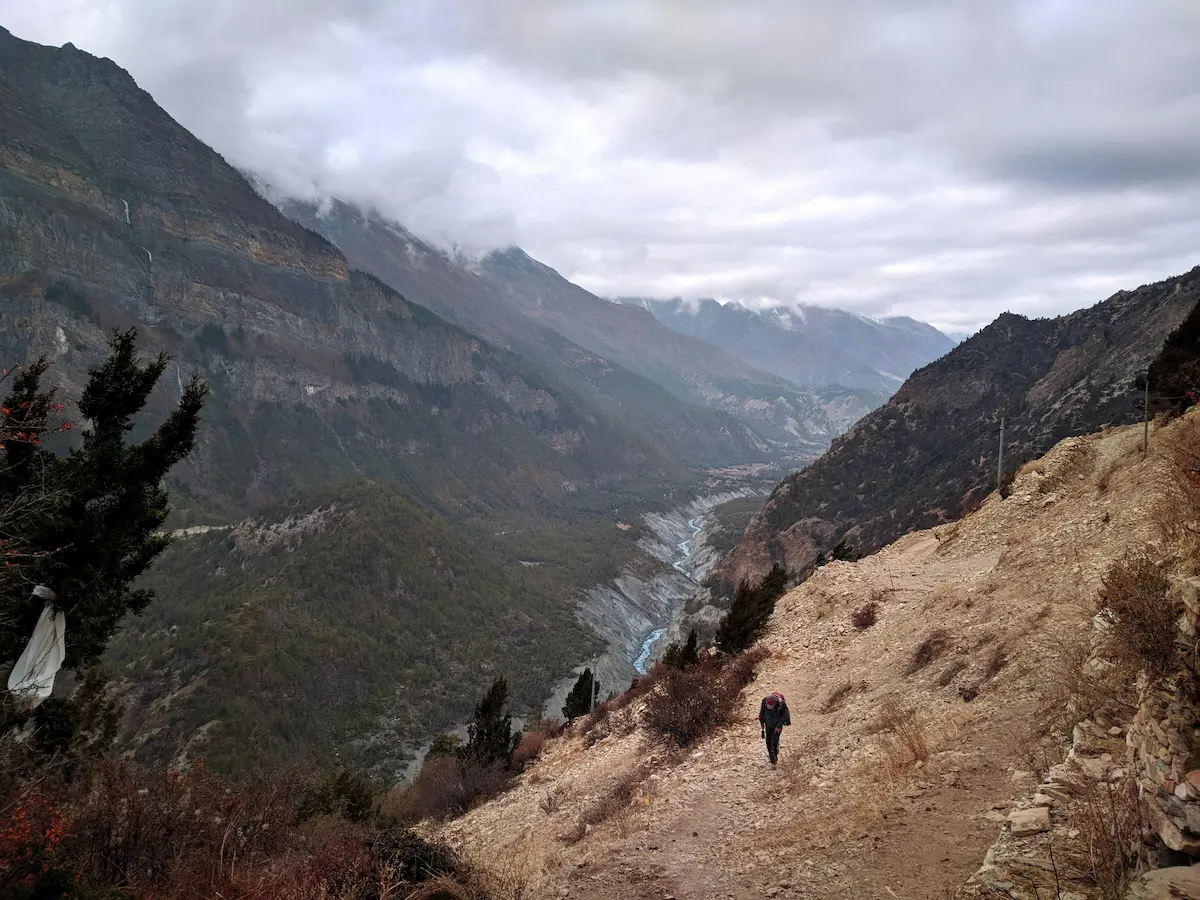
Walking begins slowly. The first hour is about warming muscles and finding a comfortable breathing rhythm. Trails wind through forests, stone staircases, suspension bridges, and open valleys. Guides set a steady pace designed for altitude, not speed.
By late morning, a tea stop offers rest and hydration. Lunch is typically taken around midday in a small village along the route. Meals are unhurried, allowing time for recovery before the afternoon section.
Afternoons are shorter and gentler. Most trekkers reach the day’s destination between 2:00 and 3:00 pm, well before temperatures drop. Arrival brings hot tea, a chance to wash, journal, or rest, and time to enjoy the surroundings.
Evenings center around the tea house dining room — the social and physical heart of the trek. Warmth from the stove, shared meals, and quiet conversation replace the distractions of daily life.
This steady daily flow reduces stress and creates a calm, sustainable rhythm that supports both physical acclimatisation and mental ease.
Walking Hours, Pace, and What “Hard” Really Means
Most people hear “trekking” and imagine endless punishing climbs, sore legs from sunrise to sunset, and the kind of exhaustion that makes every day feel like survival. The reality is more nuanced. What feels “hard” on a Nepal trek usually has less to do with athletic difficulty and more to do with steady repetition, altitude, and learning to move at a pace that fits the terrain.
On many classic routes, a normal day involves roughly 4 to 7 hours of walking, broken into manageable segments. That doesn’t mean you are marching for seven hours straight. You walk for 60–90 minutes, stop for tea or water, then walk again. Guides build the day around maintaining energy rather than burning it early. Some days are shorter by design — especially acclimatisation days — while others stretch longer when the geography forces a bigger push between villages.
The trail itself changes what those hours feel like. Flat sections can feel deceptively easy, but they still demand consistent movement. Uphill sections are where most people recalibrate their expectations. The climbs are often not “technical,” but they can be relentless: stone steps, gradual inclines that never seem to end, or switchbacks that make progress feel slow. This is where the Nepal trekking pace really matters. You’re not trying to win the day — you’re trying to arrive with enough energy left to eat well, sleep, and recover.
Breathing plays a bigger role than people expect. Even at moderate altitude, many trekkers find they need to slow down simply to keep their breathing calm. On steep climbs, it’s normal to take a few steps, pause briefly, then continue. This is not weakness — it’s correct strategy. A good guide will often set a pace that feels almost “too slow” at first, because that pace protects you later in the week when altitude increases and cumulative fatigue builds.
This is also where porters and load management make an enormous difference. Carrying a heavy pack can turn a manageable day into an overly draining one. Many treks are designed around the assumption that trekkers carry only a light daypack — water, a layer, snacks, and essentials — while porters carry the bulk of the luggage. When that system works properly, you arrive in the afternoon tired, yes, but still functional: able to stretch, wash, eat, and enjoy the evening without collapsing.
The mental side is real, too. A trek can feel hard simply because it is repetitive. Wake up, walk, eat, walk, arrive. You may be cold in the mornings, dusty by midday, and slightly sore every day. There’s also the quiet discipline of continuing when the novelty has faded — when it’s the fourth day of boots and the trail is still climbing. This is where mindset matters more than fitness. The strongest trekkers are not always the fastest; they’re the ones who can stay calm, keep a steady rhythm, and respond to the day rather than fighting it.
So when people ask what “hard” means in the trekking in Nepal experience, the most accurate answer is this: it’s not usually extreme, but it is steady. The challenge is manageable for ordinary people who prepare sensibly, carry light, and accept the slow pace as part of how mountain trekking is meant to work. If you respect that rhythm, the days stop feeling like an endurance test and start feeling like a flow you can live inside.
Tea Houses, Rooms, and Mountain Comfort
Accommodation on Nepal’s major trekking routes is built around a network of tea houses — simple mountain lodges that provide food, shelter, and a warm place to gather at the end of the day. For many trekkers, these lodges become one of the most memorable parts of the journey, not because they are luxurious, but because they provide comfort in ways that feel genuine and earned.
Rooms are typically basic and functional. Most contain two single beds, a small table, and sometimes a window looking out toward the mountains or village paths. Mattresses are firm, and blankets are provided, though many trekkers bring or rent a sleeping bag for extra warmth at higher elevations. There is no decoration beyond necessity — the simplicity is part of the atmosphere.
Bathrooms are usually shared, especially as altitude increases. In lower villages you may find Western-style toilets and even hot showers for a fee. Higher up, facilities become more basic, and hot water may be limited or bucket-based. Adjusting expectations early makes these changes easier to accept as part of the environment rather than an inconvenience.
The true heart of every tea house is the dining room. Long tables, benches, and a central stove create a communal space where trekkers gather in the late afternoon and evening. At higher elevations, the stove is fueled by yak dung or wood and becomes the primary source of warmth. Wet socks and gloves dry nearby while trekkers sip tea and talk quietly after the day’s walk.
Electricity and charging are usually available but limited. Some lodges run solar power, and charging devices often comes with a small fee. Wi-Fi exists in many places but should be viewed as a convenience rather than a guarantee. The mountains encourage disconnection, and many trekkers find relief in stepping away from constant digital contact.
Despite the simplicity, tea houses are welcoming spaces. Owners often greet returning trekkers with familiarity, and guides and porters share meals alongside guests. The atmosphere is respectful and calm, shaped by the realities of mountain living where resources are limited and cooperation matters.
Comfort here comes from warmth, routine, and shelter rather than polished amenities. After hours on the trail, removing dusty boots, wrapping hands around a hot mug, and sitting in a warm dining room can feel more satisfying than any hotel lobby. Sleep arrives easily after the day’s effort, and even the firm mattresses feel adequate when rest is truly needed.
Understanding what tea house accommodation offers — and what it does not — allows trekkers to appreciate the experience fully. The simplicity is not a compromise; it is part of what makes trekking in Nepal feel grounded, authentic, and deeply connected to the landscape and people who live within it.
Food on the Trail and Staying Energised
Food on a Nepal trek is designed to sustain energy, support recovery, and remain reliable in remote mountain conditions. While menus can appear surprisingly varied, the system behind them is practical: meals rely on ingredients that can be transported by porters, stored safely without refrigeration, and prepared consistently at altitude.
The cornerstone of trekking nutrition is dal bhat — a traditional meal of rice, lentil soup, vegetables, and often potatoes or curry. It is served in generous portions and, importantly, usually comes with free refills. Guides often encourage trekkers to eat dal bhat regularly because it provides a balanced mix of carbohydrates, protein, and salt, all of which support endurance and recovery. It may not feel exciting after several days, but its reliability is part of its value.
Most tea houses offer menus that include noodles, fried rice, soups, pasta, pancakes, eggs, and simple breads such as chapati or Tibetan bread. In lower elevations, fresh vegetables and occasional meat dishes may be available. As altitude increases, menus become simpler, and meat is often avoided due to transport and storage challenges. Many trekkers choose vegetarian options higher up, not only for safety but because plant-based dishes tend to be fresher.
Hygiene standards are generally good along established trekking routes, but conditions remain remote. Water is boiled, ingredients are cooked thoroughly, and food is served hot. Choosing freshly cooked meals and avoiding uncooked items at higher elevations is a sensible precaution. Guides are familiar with safe options and can offer practical advice.
Eating enough is essential, even when appetite drops at altitude. The combination of exertion and thinner air increases caloric needs, while altitude can suppress hunger. Skipping meals or eating lightly often leads to fatigue the following day. Regular meals, warm soups, and steady hydration support acclimatisation and sustained energy.
Tea culture is woven into daily trekking life. Black tea, milk tea, ginger tea, and lemon tea are available in nearly every lodge. Hot drinks help maintain hydration and provide warmth, particularly in colder conditions. Many trekkers develop a rhythm of tea stops throughout the day — a pause to rest, warm hands, and rehydrate before continuing.
Snacks play a supporting role. Energy bars, nuts, chocolate, and electrolyte mixes are commonly carried for quick fuel between villages. While tea houses sell snacks, prices increase with altitude due to transport costs, so bringing a small personal supply is helpful.
Food on the trail is less about culinary variety and more about consistency and nourishment. Meals are warm, filling, and timed to support the day’s effort. Over time, the routine of eating, walking, and resting becomes part of the trek’s rhythm — a simple system that keeps you moving steadily through high mountain terrain.
Altitude, Breath, and How Your Body Feels
Altitude is the element that most clearly separates a Himalayan trek from long walks at home. As elevation increases, the air becomes thinner, meaning each breath delivers less oxygen to the body. This change is gradual but noticeable, and understanding how it feels helps trekkers respond calmly rather than with unnecessary concern.
One of the first sensations people notice is breathlessness during exertion. Activities that feel easy at sea level — climbing stairs, walking uphill, even getting dressed quickly — can leave you breathing harder. This is normal. The solution is not to push through quickly but to slow down, maintain a steady rhythm, and allow breathing to settle. Many trekkers adopt a “rest step” on steeper climbs: stepping, pausing briefly, then continuing. This conserves energy and keeps oxygen demand manageable.
Movement becomes more deliberate at altitude. Guides set a pace designed to protect acclimatisation, even if it feels unusually slow at first. Walking slowly is not a sign of weakness; it is the correct way to move in thinner air. Overexertion early in the day often leads to fatigue, headaches, or poor sleep later.
Sleep patterns can change as elevation increases. Some trekkers experience lighter sleep, vivid dreams, or waking during the night. Breathing may feel irregular at times, particularly above 3,000 metres. While this can feel unfamiliar, it is a common response to altitude and often improves with proper acclimatisation and hydration.
Hydration becomes increasingly important. Dry mountain air and increased respiration cause the body to lose fluids more quickly. Drinking regularly — even when not thirsty — supports circulation and acclimatisation. Warm drinks such as tea or soup help maintain fluid intake in cold conditions.
Appetite can decrease at altitude, yet the body requires more energy. Eating regularly, especially carbohydrate-rich meals, helps maintain strength and supports recovery. Guides often encourage consistent meals for this reason.
It is also important to understand the difference between normal discomfort and altitude illness symptoms . Mild headaches, reduced appetite, and fatigue can occur as the body adjusts. However, persistent headache unrelieved by rest, nausea, dizziness, loss of coordination, or unusual shortness of breath at rest should be reported immediately to your guide. Early communication allows appropriate action and keeps trekkers safe.
Most itineraries include acclimatisation days specifically to allow the body to adjust. These days may involve short hikes to a higher elevation followed by a return to sleep lower — a strategy that supports adaptation without overexertion.
Within the trekking in Nepal experience, altitude is not an obstacle to be conquered but a condition to be respected. When trekkers slow their pace, hydrate well, eat consistently, and listen to their bodies, they often find they adapt successfully. Rather than fighting the altitude, working with it creates a steadier, safer, and more comfortable journey through the mountains.
The Social Experience on the Trail
While the landscapes draw people to the Himalaya, many trekkers discover that the social atmosphere along the trail becomes an equally meaningful part of the journey. Trekking routes bring together individuals from different countries, age groups, and backgrounds, yet the shared rhythm of walking, eating, and resting creates an easy sense of connection.
Tea houses naturally encourage interaction. Long communal tables replace private dining, and by late afternoon trekkers gather with mugs of tea, comparing routes, sharing weather observations, or simply enjoying quiet companionship after a day on the trail. Conversations tend to feel unforced. Without the usual distractions of busy schedules and digital noise, people often engage more openly and attentively.
It is common to encounter the same faces repeatedly over several days. Groups moving at similar pace tend to arrive in the same villages, creating a loose community that forms and evolves along the route. A brief greeting one morning may turn into shared tea stops, then dinner conversations, and eventually friendships built through shared effort and environment.
Solo travellers frequently remark on how included they feel. Unlike urban travel, where dining alone can feel isolating, tea house culture makes solitary seating rare. There is an unspoken understanding that everyone is participating in the same experience, and invitations to join a table are natural and routine.
Guides and porters also contribute to the social fabric of the trek. Their knowledge of the terrain, weather, and local communities adds depth to conversations, while their steady presence reinforces the cooperative nature of mountain travel. Observing how crews support one another offers insight into the teamwork required to operate safely in high-altitude environments.
Interaction on the trail is not constant. There are long stretches of quiet walking where individuals move at their own pace, absorbed in the landscape or their own thoughts. This balance — solitude during the day and companionship in the evening — creates a rhythm that feels restorative rather than overwhelming.
Shared experiences tend to compress time. After only a few days, people who began as strangers may feel familiar, bonded by early mornings, steep climbs, cold air, and the mutual satisfaction of reaching each day’s destination.
For many trekkers, these connections become an unexpected highlight — a reminder that travel is not only about where you go, but also about the people who briefly walk beside you along the way.
Mountain Culture and Respect in Villages
Trekking routes in Nepal pass through communities where mountain life is shaped by environment, tradition, and spiritual belief. Villages in regions such as Khumbu, Annapurna, and Langtang are not built for tourism alone; they are living settlements where families work the land, tend animals, operate lodges, and maintain cultural traditions that long predate trekking.
In many areas you will encounter strong influences of Buddhist and Sherpa culture. Prayer flags stretch across ridgelines and bridges, mani stones carved with sacred inscriptions line the trails, and monasteries sit quietly above villages. These elements are not decorative — they are expressions of spiritual practice. When passing mani walls or prayer wheels, it is customary to walk clockwise, keeping the sacred objects on your right side.
Simple greetings help build respectful interaction. A friendly “Namaste” accompanied by a slight nod is appropriate in most situations. In Sherpa communities, you may also hear “Tashi Delek,” a traditional greeting wishing good fortune. Acknowledging people you pass on the trail is a small gesture that reflects awareness and respect.
Photography should be approached thoughtfully. Landscapes are freely photographed, but when capturing images of individuals, homes, or religious sites, asking permission first is considered polite. Most people respond warmly when approached with courtesy.
Dress standards are practical rather than formal, but modest clothing is appreciated in villages and monasteries. Removing hats and sunglasses when greeting elders or entering religious spaces demonstrates attentiveness to local norms.
Children often greet trekkers with curiosity and enthusiasm. While it can be tempting to give sweets or small gifts, guides generally discourage this practice because it can encourage dependency and disrupt local routines. Supporting local businesses — purchasing tea, snacks, or handmade items — is a more constructive way to contribute.
Waste management is an ongoing challenge in remote environments. Carrying out personal rubbish, minimizing plastic use, and using refillable water systems demonstrate respect for both the landscape and the communities that depend on it.
These customs are not complicated, but they matter. Small gestures — greeting someone warmly, walking respectfully past sacred sites, or supporting village economies — reflect an understanding that trekking routes pass through living cultures rather than open wilderness.
Approaching villages with awareness and humility enriches the journey. Respect is noticed, hospitality is often returned, and the trek becomes not only a passage through mountains but also a respectful encounter with the people who call these landscapes home.
Moments That Stay With You Long After the Trek
Long after the physical effort fades, certain moments from a Himalayan journey remain unexpectedly vivid. They are rarely the dramatic highlights people imagine beforehand. Instead, they are quiet, sensory impressions that surface later with surprising clarity.
Sunrise in the mountains often begins in silence. Before the villages fully stir, the first light reaches the highest peaks, turning snowfields pale gold while the valleys remain in shadow. The air is still, cold, and clear. Trekkers step outside wrapped in down jackets, holding hot mugs between their hands, watching light travel slowly across the horizon.
Morning departures bring a different rhythm. Frost crunches beneath boots, breath hangs briefly in the air, and distant trails reveal small lines of movement as other trekkers begin their day. As the sun rises higher, layers come off, and the valley warms gradually.
Sound becomes part of memory. The low clatter of yak bells moving along narrow paths. Wind brushing prayer flags strung between ridgelines. Boots on stone steps. The soft murmur of conversation in a lodge dining room at dusk. Without urban noise, these sounds feel more distinct and grounded.
There are moments of stillness mid-trail — pausing at a bend to look back across a valley, watching clouds drift below a ridgeline, or standing quietly as snow begins to fall in fine, dry flakes. These pauses are unplanned but often become the images people carry home.
Arrival at a day’s destination brings its own quiet satisfaction. Removing boots at the lodge doorway, washing dust from hands, and settling into the warmth of the dining room creates a sense of completion that repeats daily yet never feels routine.
Over time, a subtle internal shift occurs. The steady rhythm of walking, eating, and resting simplifies attention. Decisions reduce. Awareness sharpens. Many trekkers describe a clarity that emerges not from dramatic events but from the consistency of the days themselves.
Within the trekking in Nepal experience, these understated moments often endure longer than summit viewpoints or milestone signs. They reflect not only where you travelled, but how you moved through the landscape — slowly, attentively, and fully present.
Conclusion: Why the Experience Feels Bigger Than the Trek
At first glance, trekking in Nepal can appear disarmingly simple. Each day follows a clear structure: wake early, walk at a steady pace, eat warm meals, rest in small lodges, and repeat. There are no complicated schedules to manage and few decisions to make beyond caring for your body and moving at a sustainable rhythm. Yet within that simplicity lies the reason the journey often feels far larger than the distance covered.
Discomfort is part of the experience, but it rarely defines it. Cold mornings, basic bathrooms, dusty trails, and tired legs are temporary sensations. What remains is the memory of movement through vast landscapes, the quiet confidence gained from completing each day, and the calm that emerges when life is reduced to essentials.
Structure creates a sense of safety. Guided pacing, established tea houses, and well-travelled routes allow trekkers to focus on the experience rather than logistics. This predictability reduces stress and replaces uncertainty with trust in the process. As days pass, many people notice their breathing slows, their attention sharpens, and their priorities simplify.
The experience is also more accessible than many expect. You do not need to be an elite athlete to complete a well-planned trek. Ordinary people of varied ages and backgrounds succeed every season by preparing sensibly, walking slowly, and respecting altitude. The challenge is real, but it is manageable.
What gives the journey its lasting impact is not a single viewpoint or milestone, but the cumulative effect of the days: the rhythm of walking, the generosity of mountain hospitality, the quiet companionship of fellow trekkers, and the perspective gained from time spent in high places.
For many, the trekking in Nepal experience becomes a reference point long after returning home — a reminder that life can feel clearer when reduced to movement, nourishment, rest, and awareness of the present moment.
If you’re considering your first Himalayan journey, exploring a proven route can help you understand how these days come together on the trail.
The Everest Base Camp trek offers the iconic high-mountain experience many travellers imagine, while the Annapurna Base Camp trek provides a slightly shorter and more accessible journey into the heart of the Himalaya.
If you’re unsure which route suits your timeframe, comfort level, or experience, you can reach out via our contact page for practical, no-pressure guidance.
Frequently Asked Questions About Trekking in Nepal
Is trekking in Nepal suitable for beginners?
Yes. Many routes are achievable for beginners with sensible preparation and a steady pace. Treks such as Annapurna Base Camp are often recommended for first-time trekkers because they balance accessibility with real mountain experience.
How physically difficult is trekking in Nepal?
Most trekking days involve 4–7 hours of steady walking rather than extreme exertion. The challenge comes from altitude, repetition, and terrain rather than technical difficulty. Walking slowly and maintaining a consistent rhythm makes the effort manageable.
Do you need to be very fit to complete a Nepal trek?
You do not need elite fitness, but you should be comfortable walking for several hours each day. Basic cardiovascular fitness, sensible pacing, and good acclimatisation practices matter more than speed or strength.
What is accommodation like on the trail?
Trekkers stay in tea houses — simple mountain lodges with twin-bed rooms and shared bathrooms. Dining rooms provide warmth, meals, and a social space in the evenings.
What food do you eat during a trek?
Meals are simple, nourishing, and reliable. Dal bhat (rice, lentils, vegetables) is the staple, supported by soups, noodles, eggs, and breads. Food is cooked fresh and designed to sustain energy at altitude.
How does altitude affect your body?
Breathing becomes harder during exertion, and movement must slow as elevation increases. Mild headaches, reduced appetite, and light sleep can occur while acclimatising. Walking slowly, hydrating, and eating well help your body adjust.
Is altitude sickness common?
Mild symptoms can occur, but serious illness is uncommon when proper acclimatisation schedules are followed. Guides monitor trekkers carefully, and gradual ascent greatly reduces risk.
Do you trek alone or with other people?
You can trek independently or with a guide, but many trekkers enjoy the shared atmosphere of the trail. Tea houses create natural opportunities to meet others, and even solo travellers often feel included.
What is the best time of year to trek in Nepal?
The most popular seasons are spring (March–May) and autumn (October–November), when weather and visibility are typically most stable. Winter and monsoon trekking are possible but require different expectations.
What makes trekking in Nepal feel different from other hikes?
The combination of altitude, mountain culture, tea house life, and the steady rhythm of each day creates an experience that feels immersive and grounding rather than simply recreational.