
Annapurna Base Camp Trek
A direct Himalayan approach into the heart of the Annapurna Sanctuary, combining steady ascent with disciplined pacing and a strong high-altitude payoff.
Operated locally by the Resurgence Travel Nepal team.
Base trek price: from USD 1,199 per person (shared group)
A USD 300 deposit secures your place and is deducted from the final trek price.
A USD 300 deposit secures your place and is deducted from the final trek price.
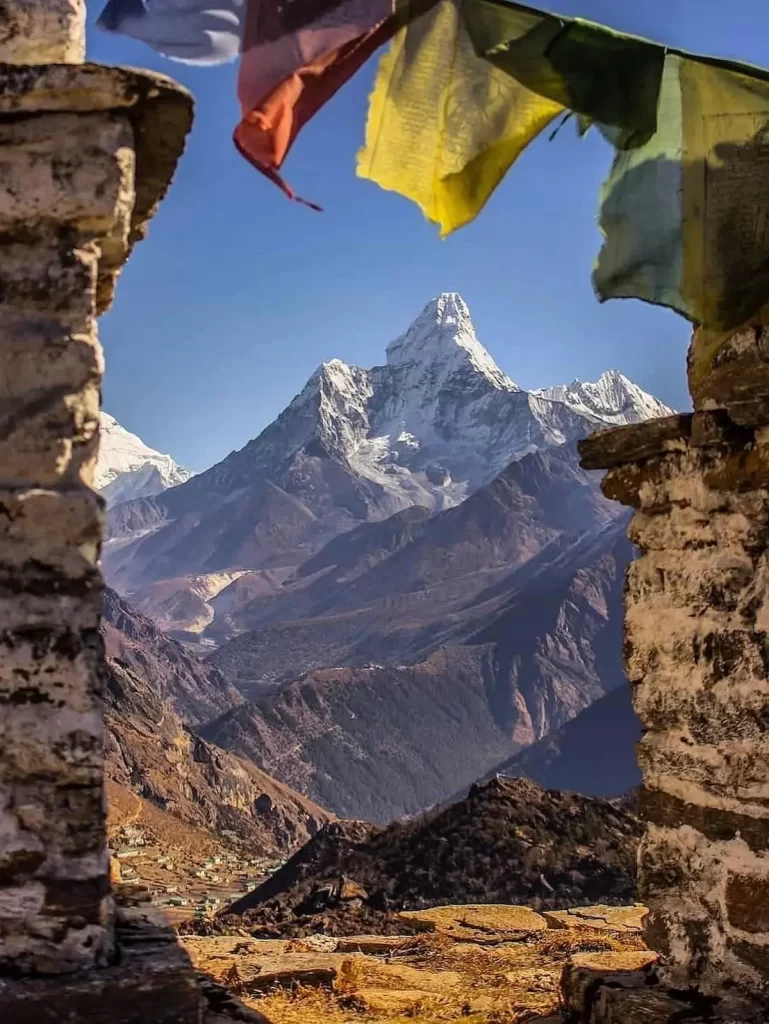
Quick Facts
- Duration: 9 days (Pokhara to Pokhara)
- Max altitude: 4,130 m (Annapurna Base Camp)
- Trek grade: Moderate–Challenging
- Best seasons: Mar–May, Sep–Nov
- Route style: In-and-out mountain sanctuary trek
- Accommodation: Teahouse trekking
Trek Cost
Trek Cost
The Annapurna Base Camp Trek is often marketed with flexible durations that hide rushed pacing.
We don’t do that.
Our base trek is a fixed 9-day itinerary, designed to move steadily into the Annapurna Sanctuary, manage altitude properly, and finish without pressure.
If additional days are added, they are done deliberately — to improve acclimatisation, recovery, or comfort — not to correct an underbuilt plan.
We keep pricing simple and transparent, with a solid base trek that covers the full Annapurna Base Camp experience. Optional adjustments are discussed only once dates and preferences are known.
Base trek price: from USD 1,199 per person (shared group)
This base price reflects a properly paced 9-day Annapurna Base Camp trek, with standard accommodation, meals, permits, and local on-trail support included on trek days.
What affects the final price
The base trek price reflects a complete 9-day itinerary.
Final pricing changes only if you choose to:
- Convert to a private trek
- Add additional rest or acclimatisation days
- Adjust transport or accommodation
- Add porter support or comfort upgrades
We don’t offer fixed “bronze / silver / gold” packages.
We confirm the base trek first, then adjust details only where they meaningfully improve the experience.
Payment
You can reserve your place with a USD 300 deposit, deducted from the final trek cost.
The remaining balance is confirmed once dates, logistics, and any adjustments are agreed.
Payment in full is also available if you prefer.
Overview: What This Trek Feels Like
The Annapurna Base Camp Trek is defined by direct progression. Unlike long circuits, this route moves steadily into the heart of the Annapurna Sanctuary, with each day building toward a clear objective rather than looping or transitioning between regions.
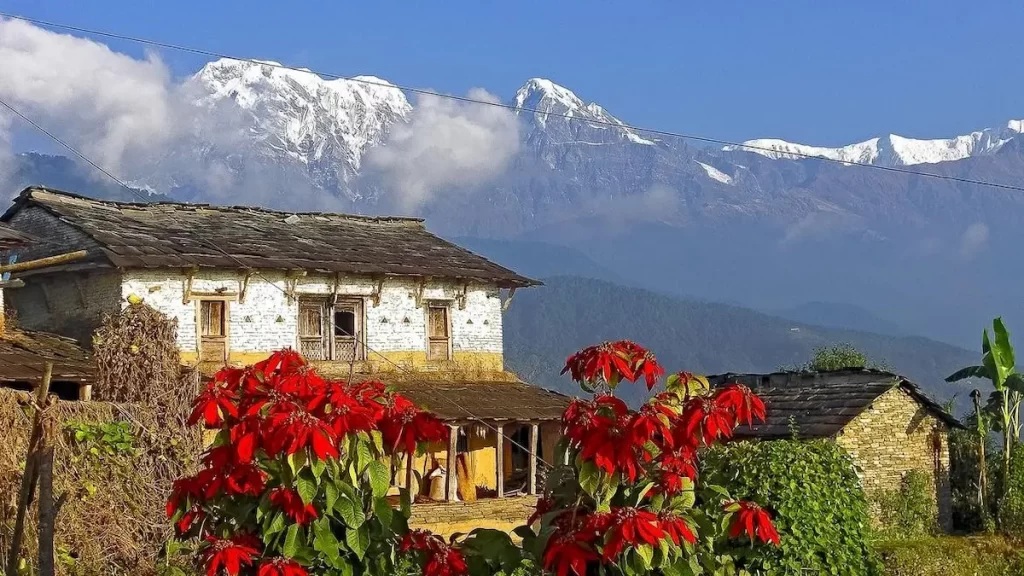
Early stages move through lower valleys and terraced hillsides, establishing rhythm before the terrain steepens and the landscape closes in. As you approach the sanctuary, the scale becomes more contained but more intense — steep walls, glacial terrain, and a growing sense of arrival rather than distance covered.
What makes this trek challenging isn’t technical difficulty, but sustained ascent combined with altitude. The days are active, and pacing matters. When run correctly, the effort feels controlled and progressive rather than rushed or exhausting.
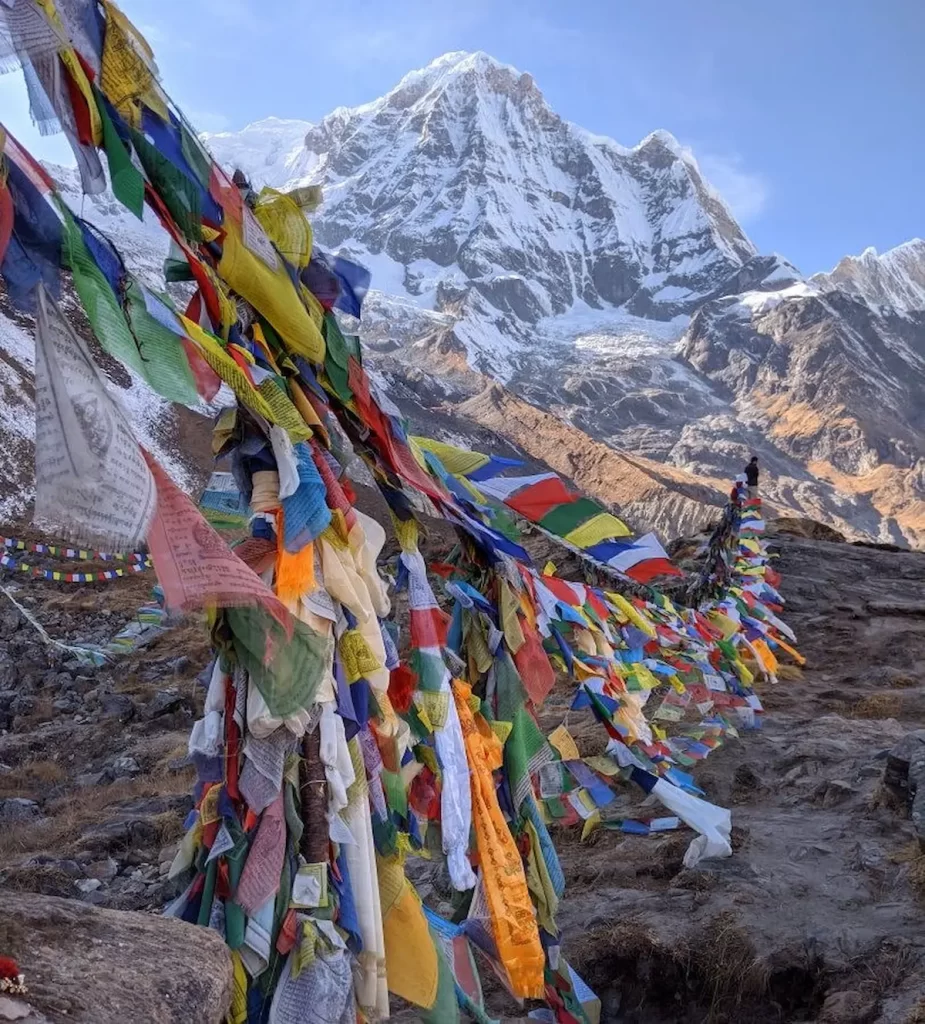
Reaching Annapurna Base Camp (4,130 m) is the culmination of that build. It’s not a single dramatic push, but the result of several days of steady decision-making, sensible staging, and respect for how altitude affects energy and recovery.
We run this trek to feel deliberate and contained — allowing the sanctuary to be experienced fully, without compressing days or forcing pace just to shorten the itinerary.
This is a trek for people who value structure, flow, and a clear finish, rather than variety for its own sake.
Is This Trek Right for You?
The Annapurna Base Camp Trek is best suited to trekkers who want a direct Himalayan objective and are comfortable with several days of sustained uphill walking.
This trek is a good fit if you:
- Want a clear, focused route with a defined endpoint
- Prefer a fixed, well-structured itinerary rather than flexible day counts
- Are comfortable walking uphill for multiple days at a steady pace
- Value acclimatisation and pacing over rushing to shorten the trek
- Want to experience a high-altitude mountain sanctuary without long circuit travel
This trek may not be a good fit if you:
- Are looking for a long, varied circuit trek
- Want to compress the itinerary into the fewest possible days
- Expect a luxury or low-effort experience
- Prefer frequent rest days or very short walking stages
- Are uncomfortable with basic teahouse accommodation at altitude
The Annapurna Base Camp Trek works best for travellers who understand that a direct route still requires discipline, and that the quality of the experience depends on how the days are paced rather than how quickly the base camp is reached.
Route & Pacing (How We Run It)
The Annapurna Base Camp Trek rewards controlled progression. Because the route climbs steadily into the sanctuary and back out again, early pacing decisions directly affect how sustainable the later days feel.
We run this trek with a deliberate build, using the lower stages to establish rhythm and the upper sanctuary days to consolidate acclimatisation rather than force pace.
What we prioritise
- A steady ascent profile that avoids stacking altitude too quickly
- Balanced daily distances that leave room for recovery
- Sensible staging inside the sanctuary to manage effort and exposure
- Flexibility to adapt pacing if conditions or group response require it
- Clear daily coordination so distances and expectations stay realistic
What we don’t do
- We don’t compress the itinerary to reduce the total number of days
- We don’t treat base camp as something you “push for” at the expense of safety
- We don’t rush the return stages to make the trek feel shorter on paper
Annapurna Base Camp is not technically difficult, but the accumulation of effort matters. When the trek is paced properly, reaching the sanctuary feels earned and manageable — not exhausting.
Typical Itinerary (High-Level)
The Annapurna Base Camp Trek follows a direct in-and-out route into the Annapurna Sanctuary, rather than a circuit or multi-region traverse. The structure is fixed, but daily staging is designed to feel balanced rather than rushed.
A typical 9-day trek follows this overall flow:
- Travel from Pokhara to the trek start, then begin the ascent through lower valleys and villages
- Gradual progression through forested sections and terraced hillsides, building rhythm over the early days
- Continued ascent as the terrain steepens and the sanctuary walls begin to close in
- Entry into the Annapurna Sanctuary, with time to consolidate altitude and effort
- Arrival at Annapurna Base Camp (4,130 m) as the high point of the trek
- A controlled descent back out of the sanctuary, with sensible staging rather than long forced days
- Return travel to Pokhara at the end of the trek
While the total duration is fixed, small on-trail adjustments may be made to daily distances based on conditions, weather, and group response. These do not change the structure of the trek, only how individual days are balanced.
If additional days are added, they are treated as intentional upgrades to improve recovery or comfort — not as corrections to the base itinerary.
What’s Included / Not Included
Included
- Licensed local trekking guide with on-trail support
- All permits required for the Annapurna Base Camp route
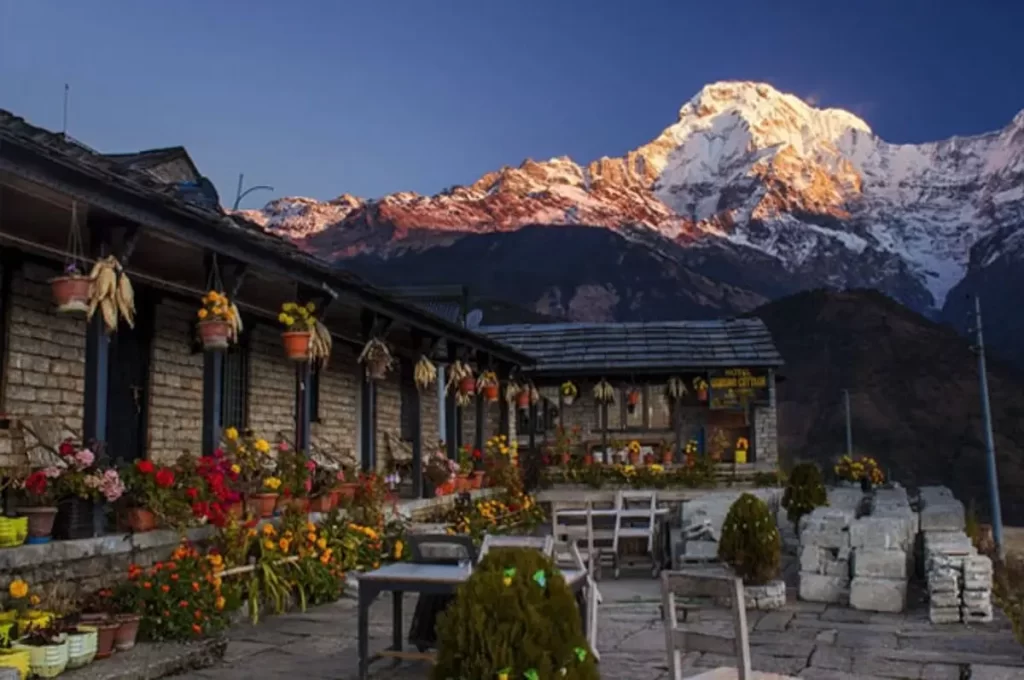
- Teahouse accommodation during the trek
- Standard meals on trek days (breakfast, lunch, and dinner)
- Ground transport to and from the trek start / finish points (via Pokhara)
- Daily trek coordination, pacing oversight, and local operational support
This reflects the standard 9-day Annapurna Base Camp trek setup we run for most travellers — structured, complete, and paced properly.
Not included (typically)
- International flights to and from Nepal
- Nepal visa fees
- Kathmandu hotel accommodation before or after the trek (unless arranged)
- Pokhara hotel accommodation before or after the trek (unless arranged)
- Drinks, snacks, and extras purchased at teahouses
- Personal trekking gear and equipment
- Travel insurance (including high-altitude and evacuation cover)
- Tips for guides and support staff (customary but optional)
These items are not bundled into the base trek price, as preferences and requirements vary between travellers.
Optional Upgrades & Adjustments
Many travellers choose to make small adjustments to the Annapurna Base Camp Trek once dates and logistics are confirmed. These are discussed after the base trek is agreed and added only where they meaningfully improve comfort, pacing, or recovery.
Private treks are available on request and are priced based on group size and dates.
Depending on availability, options may include:
- Porter support (shared or private)
- Private transport to or from the trek start / finish points
- Additional rest or acclimatisation days
- Accommodation upgrades where available
- Additional nights in Pokhara before or after the trek
- Route or staging adjustments to improve pacing or recovery
Upgrades are quoted clearly, discussed in context, and added only if suitable and requested.
We do not pre-package upgrades or apply them by default.
Safety & Acclimatisation (Non-negotiables)
Although the Annapurna Base Camp Trek is often described as a moderate Himalayan route, altitude and sustained ascent still place real demands on the body — particularly inside the sanctuary.
Our approach is straightforward and consistent:
- Acclimatisation is built into the 9-day structure and is not treated as optional
- Daily pacing is adjusted based on how the group is responding
- Guides have the authority to slow down, add rest, or modify staging if needed
- Decisions are made on the ground, based on people and conditions — not schedules
- Safety always takes priority over reaching a specific point on a specific day
Reaching Annapurna Base Camp is the result of several days of steady progression, not a single push. When the trek is paced properly, the arrival feels controlled and sustainable — not exhausting.
This is why we focus on a small number of established routes and run them repeatedly with experienced local teams who know when to progress and when to pause.
Reserve Your Place
A reservation confirms serious intent and allows our Nepal team to begin checking dates, permits, transport, and accommodation availability for the Annapurna Base Camp Trek.
Once your reservation is received, we work directly with you to finalise details and ensure the trek is paced and structured correctly within the fixed 9-day base.
A USD 300 deposit secures your place and is deducted from the final trek price.
What happens after you reserve
- We review your preferred dates and group details
- We confirm permits, transport, and accommodation availability
- We discuss any optional adjustments once the base trek is confirmed
- You receive a clear final outline and balance/payment instructions
You can secure your place with a deposit or pay in full once everything is confirmed.
FAQs
Is the trek really a fixed 9 days?
Yes. Our base Annapurna Base Camp trek is a fixed 9-day itinerary (Pokhara to Pokhara). If you want extra rest, comfort, or buffer time, additional days are added deliberately as upgrades.
How difficult is the Annapurna Base Camp Trek?
It’s moderate to challenging. The difficulty comes from sustained uphill walking over consecutive days and the effects of altitude, not technical terrain.
How high is Annapurna Base Camp?
Annapurna Base Camp sits at 4,130 m. While this is lower than some Himalayan treks, altitude still affects sleep, appetite, and recovery for many trekkers.
Do I need trekking experience?
You don’t need technical trekking experience, but you should be comfortable walking for several days in a row and prepared for long uphill stages on mountain trails.
Is acclimatisation built in?
Yes. The 9-day structure is designed to move steadily and manage altitude responsibly. Guides can also adjust daily pacing if needed.
What is accommodation like on this trek?
Accommodation is in local teahouses. Rooms are simple and functional, and facilities become more basic at higher elevations.
Can the itinerary be adjusted?
We can make small staging or comfort adjustments within sensible limits, but we do not compress the trek in ways that compromise pacing or safety. Additional rest days can be added if requested.
What is included in the base price?
The base price includes your guide, permits, teahouse accommodation, meals on trek days, transport to/from the trek start/finish, and daily coordination.
What’s not included?
International flights, Nepal visa fees, hotels in Kathmandu/Pokhara (unless arranged), insurance, drinks/snacks, personal gear, teahouse extras (Wi-Fi/showers/charging), and tips.
When is the best time to do this trek?
The best seasons are March–May and September–November, when weather is generally more stable and trail conditions are favourable.
Related Treks
Operated locally by the Resurgence Travel Nepal team, with an on-the-ground office in Kathmandu.