Everest Base Camp Trek
A classic Himalayan trek run with disciplined pacing and proper acclimatisation.
Operated locally by the Resurgence Travel Nepal team.
Base trek price: USD 1,599 per person
Typical total cost: USD 1,599–1,900 depending on logistics.
A USD 300 deposit secures your place and is deducted from the final trek price.
Dates, logistics, and final pricing are confirmed with you before the remaining balance is paid.
Quick Facts
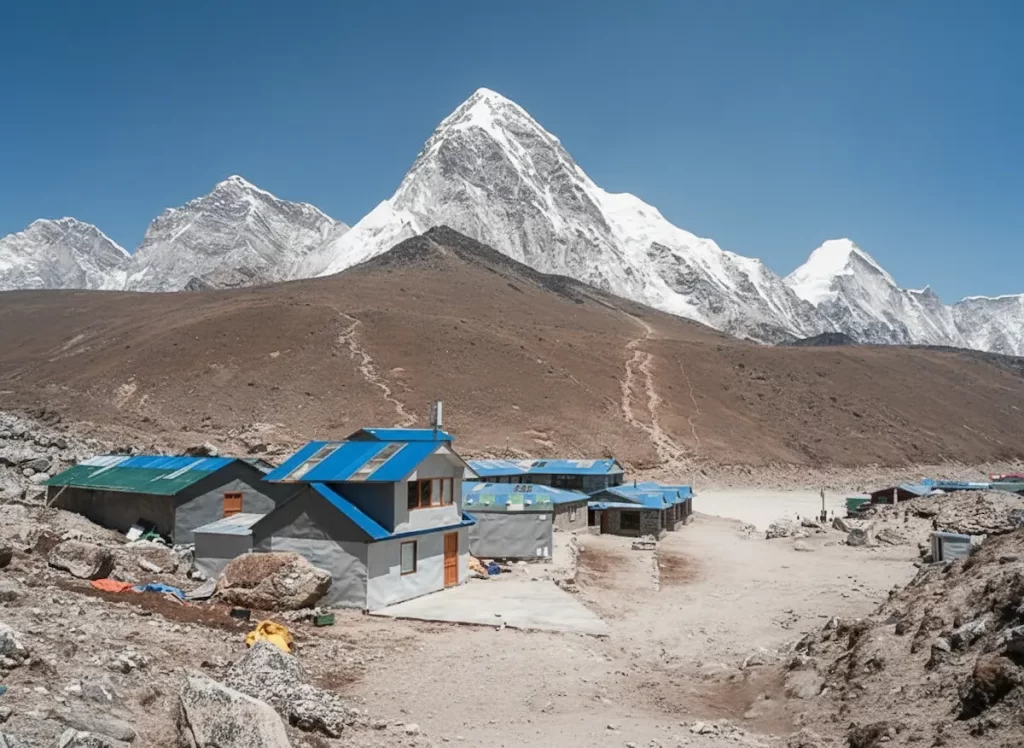
- Typical duration: 12–14 days (pacing-dependent)
- Max altitude: 5,364 m (Kala Patthar)
- Trek grade: Challenging (high-altitude)
- Best seasons: Mar–May, Sep–Nov
- Start / finish: Lukla to Lukla (via Kathmandu)
- Style: Teahouse trek
- Daily walking: 4–7 hours typical
Trek Cost
Most Everest Base Camp treks we operate fall in the USD 1,599–1,900 range, depending on group type, Kathmandu accommodation level, and seasonal logistics.
Final pricing is confirmed once your dates, group type, and pacing preferences are known. We don’t advertise artificially low prices and then add costs later — clarity comes before commitment.
What affects the final price
- Group vs private trek
- Kathmandu accommodation level (before/after the trek)
- Lukla flight availability and seasonal conditions
At the next step you can secure your place with a USD 300 deposit. Final pricing and any optional upgrades are confirmed with you after booking.
Overview: What This Trek Feels Like
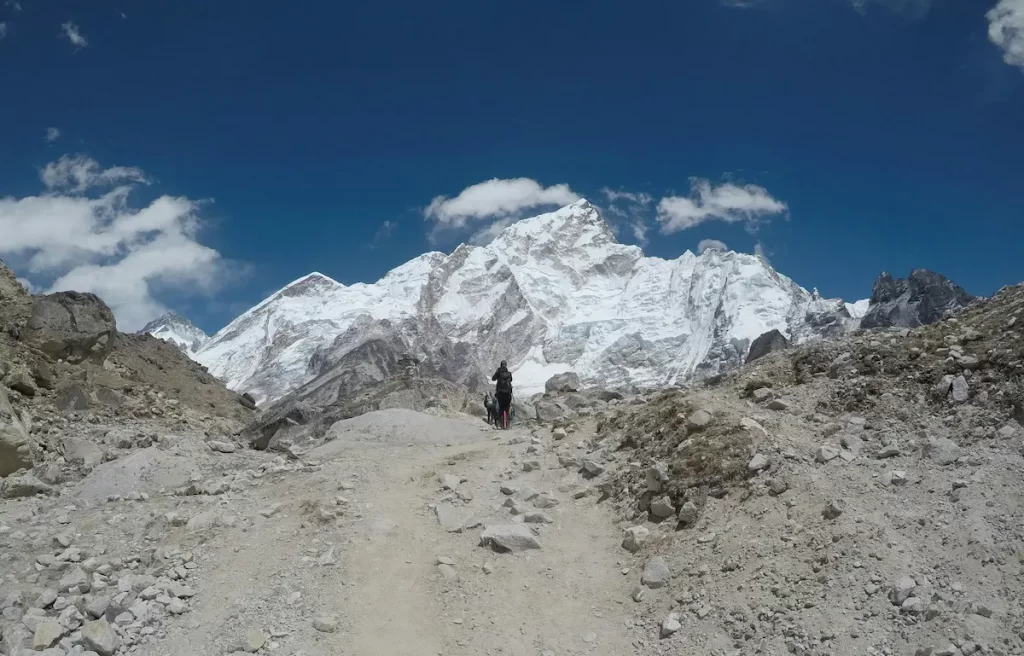
Everest Base Camp isn’t hard because the trail is technical. It’s hard because you’re walking for days at increasing altitude, with cold mornings, thinner air, and a pace that needs to be managed properly.
Our job is to run the trek in a way that feels steady, supported, and realistic — not rushed for the sake of a tighter itinerary.
Is This Trek Right for You?
This trek is a good fit if you:
- Want the classic Everest region experience and understand it’s a high-altitude trek
- Can walk for multiple days in a row with a pack (daypack) at a steady pace
- Prefer a plan built around acclimatisation rather than “getting it done fast”
This trek is not a good fit if you:
- Want to compress the itinerary and skip acclimatisation days
- Are looking for a luxury experience or low-effort travel
- Are uncomfortable with cold nights, basic teahouse accommodation, or remote conditions
Route & Pacing (How We Run It)
The Everest region rewards patience. The best treks feel controlled: early days are deliberately moderate, and acclimatisation is treated as part of the plan — not an inconvenience.
What we prioritise
- A steady pace early (so the trek doesn’t become a grind later)
- Acclimatisation days that are actually used properly
- Flexibility for conditions (weather, trail flow, and how the group is coping)
What we don’t do
- We don’t sell “fast” itineraries that trade safety for a marketing advantage.
- We don’t treat altitude as something you can muscle through.
Typical Itinerary (High-Level)
- Kathmandu → Lukla (flight) and begin trekking
- Trek through key villages in the Khumbu region, building altitude gradually
- Acclimatisation days built into the plan
- Everest Base Camp and surrounding viewpoints (conditions permitting)
- Return via the same region to Lukla for flight back
The itinerary typically includes acclimatisation stops in Namche Bazaar and Dingboche before reaching Everest Base Camp.
If you want a full day-by-day itinerary, we’ll confirm it once your dates and pacing preferences are known.
What’s Included / Not Included
Included
- Kathmandu ↔ Lukla return flights
- All permits required for the Everest Base Camp route
- Licensed local guide and on-trail support team
- Teahouse accommodation during the trek
- All meals on trekking days (breakfast, lunch, dinner)
- Daily trek coordination, pacing, and local operational support
This reflects the standard Everest Base Camp trek setup we run for most travellers.
Not included (typically)
- International flights to and from Nepal
- Kathmandu hotel accommodation before or after the trek (unless arranged)
- Nepal visa fees
- Travel insurance (including high-altitude trekking and evacuation)
- Bottled water, snacks, drinks, hot showers, Wi-Fi, charging fees
- Personal trekking gear
- Tips for guides and support staff (customary but optional)
These items are not bundled into the base trek price, as preferences and needs vary.
Optional Upgrades & Adjustments
Many travellers choose to add small upgrades or adjustments once dates and logistics are confirmed. Private treks are also available on request (priced by group size and dates).
Depending on availability, options may include:
- Kathmandu hotel upgrades
- Private rooms on trek where available
- Additional porter or private guide support
- Flight or routing adjustments
- Extra nights in key villages such as Namche Bazaar
Upgrades are discussed after booking, quoted clearly, and added only if suitable and requested.
Safety & Acclimatisation (Non-negotiables)
High altitude changes the rules. Our approach is simple:
- Acclimatisation days stay in the plan
- Guides have the authority to slow down, add rest, or stop if needed
- The goal is a trek that finishes well — not a schedule that “looks good”
This is why we specialise in a small number of routes and run them repeatedly.
Our Everest Region Team
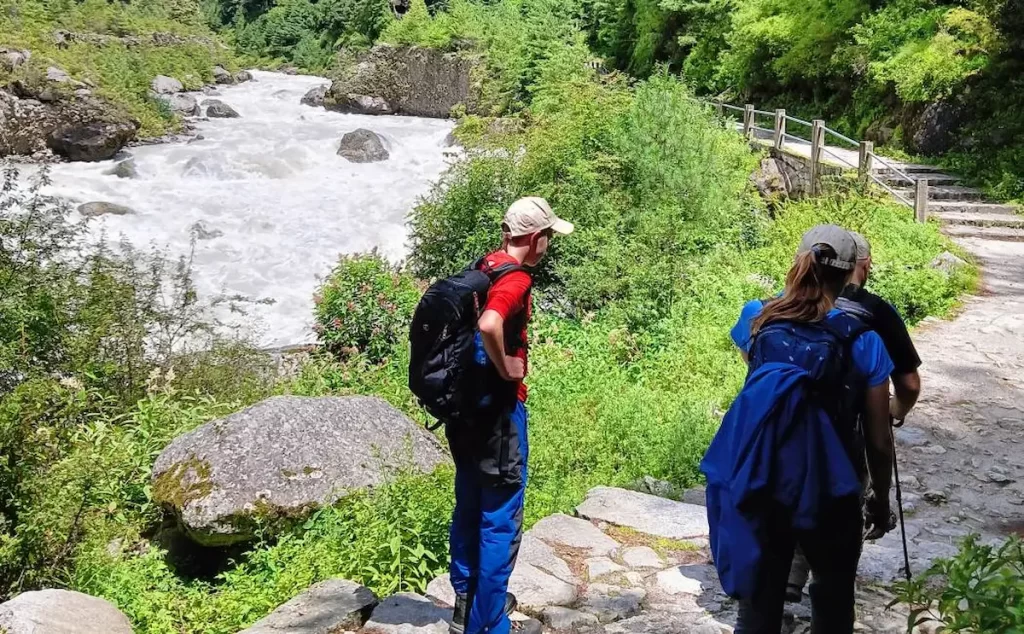
Our Everest Base Camp treks are led by experienced Nepal-based guides who work in the Khumbu region during the trekking seasons and understand how this route needs to be run on the ground.
The same local team handles:
- permits and trek logistics
- Lukla flight coordination
- pacing and acclimatisation decisions on the trail
- day-to-day support from arrival to trek finish
This keeps the trek controlled, consistent, and properly supported from start to finish.
Reserve Your Place
A deposit confirms serious intent and is deducted from your final trek cost. Once we receive your reservation, our Nepal team confirms dates, availability, and the final plan directly with you.
Everest Base Camp departures fill quickly during the main trekking seasons (spring and autumn).
What happens after you reserve
- We review your dates and group details
- We confirm availability and logistics
- You receive a clear final outline and balance/payment instructions
You can secure your place with a deposit or pay in full.
FAQs
Is the deposit refundable?
If we cannot confirm your trek for your preferred dates, your deposit is refundable. If you cancel after confirmation, refund terms depend on timing and committed logistics.
When do I pay the remaining balance?
After dates and logistics are confirmed. We keep the payment process clear and simple.
Do I need trekking experience?
You don’t need technical trekking experience, but you do need solid fitness and realistic expectations for multiple days at altitude.
Can we adjust the itinerary?
We can adjust pacing and comfort within sensible limits, but we do not compress the trek in ways that reduce acclimatisation.
Related Treks
Operated locally by the Resurgence Travel Nepal team, with an on-the-ground office in Kathmandu.